
Editorial, environmental, situational, and narrative portrait photography all live in the same world: portraits built around atmosphere, emotion, and imagination.
Some feel quiet and cinematic. Others feel surreal, dreamlike, theatrical, or almost mythological. The goal is never just to document a person, it is to create an image with its own mood and internal world.
Editorial and environmental portrait photography can turn real spaces into imagined worlds. A greenhouse becomes overgrown and mythic. A motel hallway feels suspended in time. A warehouse turns cold and futuristic. The environment becomes part of the fiction shaping mood, tension, and atmosphere, inside the frame.
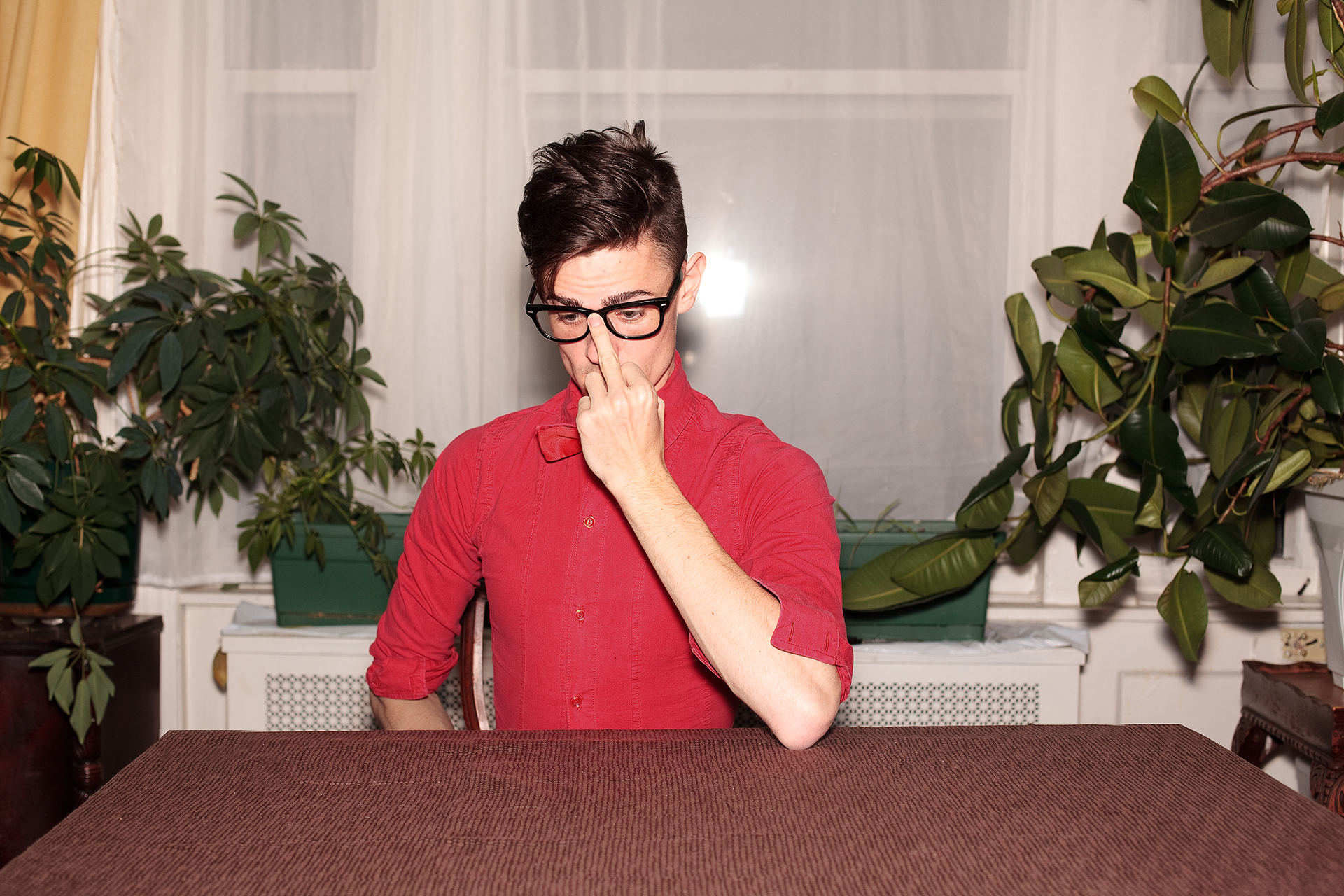
Wardrobe and makeup help define the visual language of a portrait. Some creative portrait sessions are built using pieces you already own, while larger productions may involve stylists, costume-inspired wardrobe, and professional hair and makeup artists. Styling becomes part of the worldbuilding process.
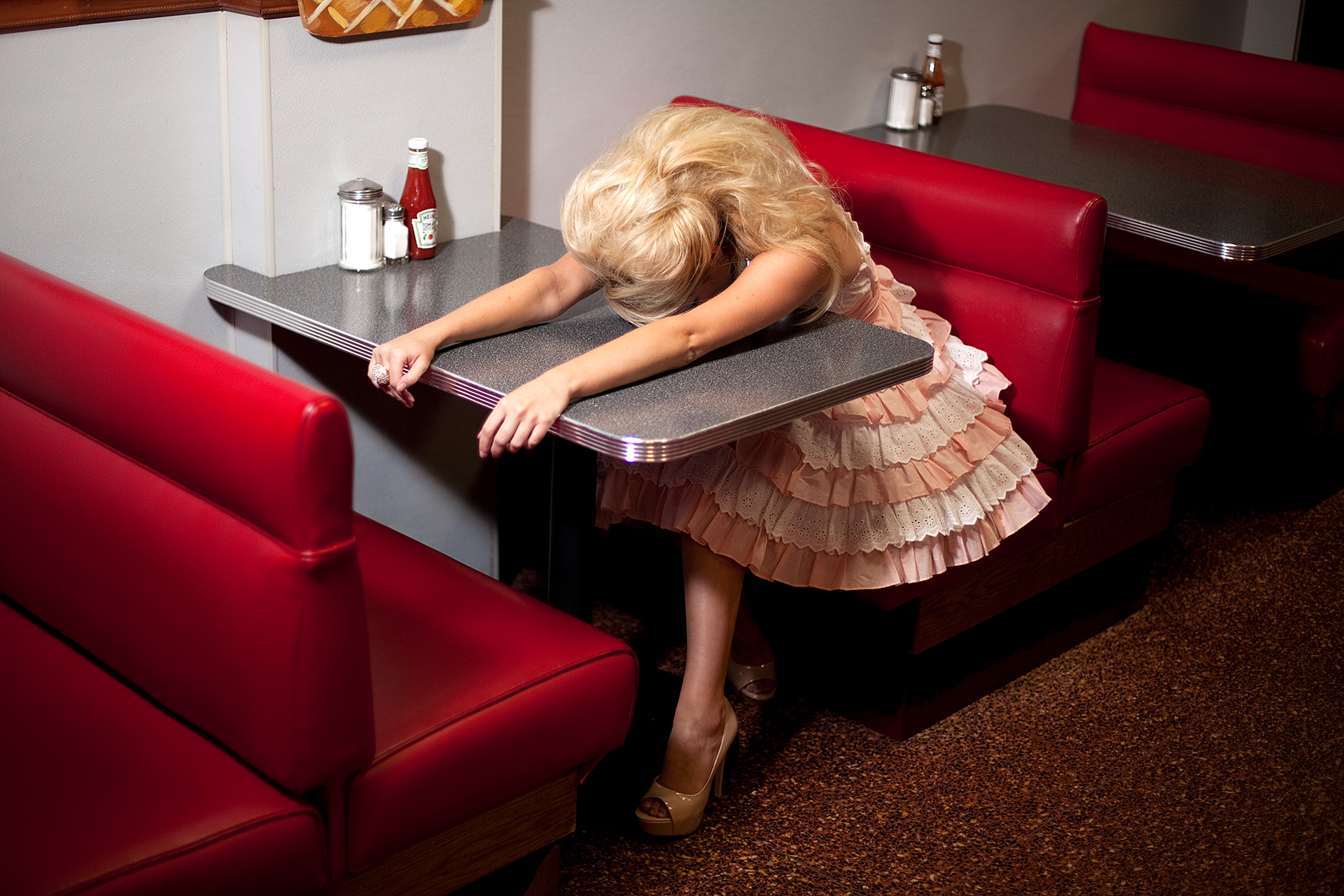
Studio portrait photography offers complete control over lighting, color, texture, and mood. Even minimal set design can create something surreal and transportive. The focus is less about realism and more about building atmosphere inside the frame through light, composition, and visual tension.
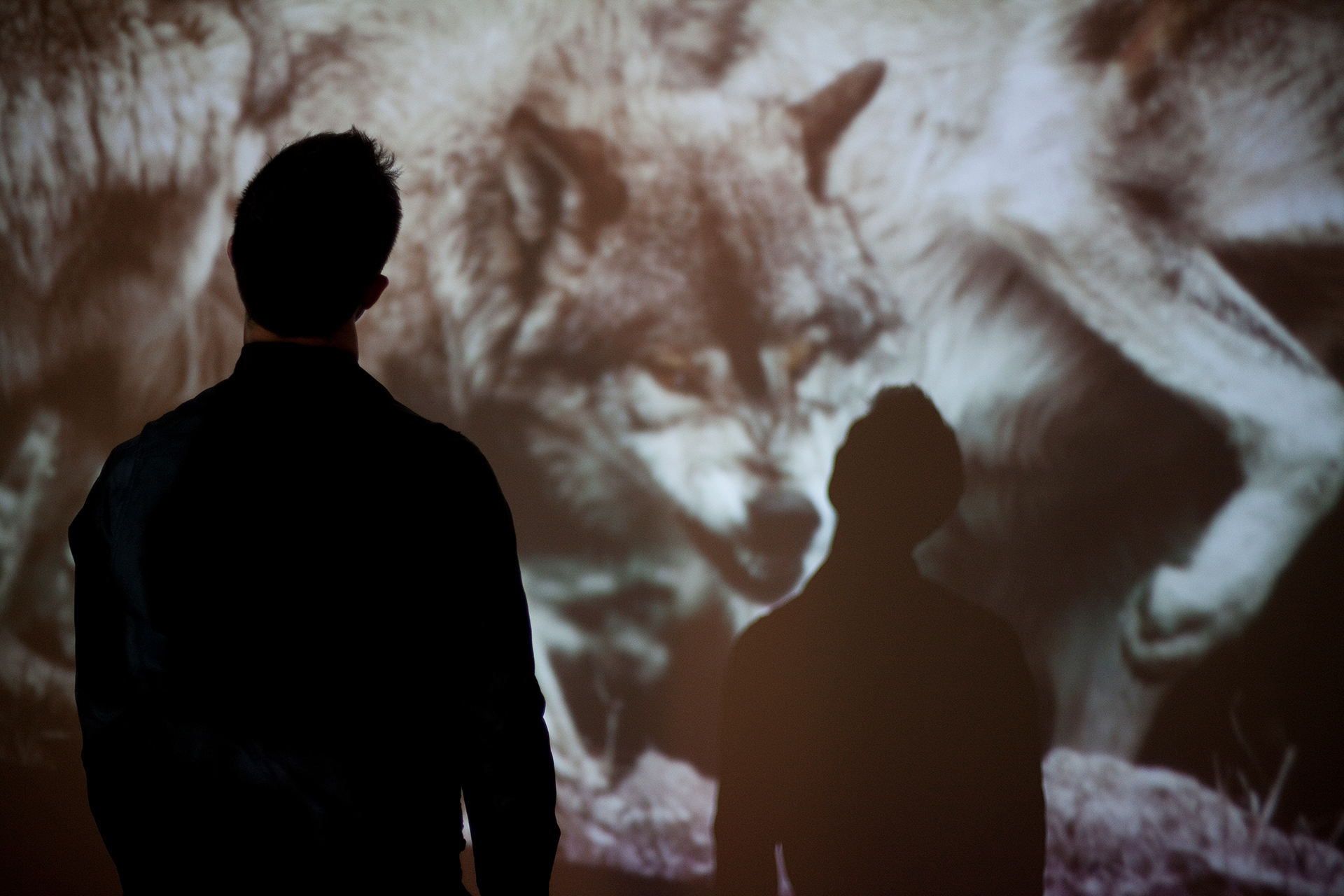
An editorial portrait is a style of portrait photography designed around storytelling, atmosphere, and visual narrative. Editorial portraits often use cinematic lighting, creative direction, wardrobe styling, and meaningful environments to create images that feel immersive, artistic, and emotionally expressive.
Headshots are typically simple, clean, and focused on facial expression, while editorial portraits are more cinematic and story-driven. Editorial portrait photography uses environment, lighting, styling, mood, and composition to create images with stronger atmosphere and visual identity.
Absolutely. Editorial portrait photography is widely used by artists, musicians, designers, founders, creative agencies, actors, and brands that want imagery that feels cinematic, modern, and visually recognizable across websites, campaigns, advertising, and social media.
Wardrobe is a major part of editorial portrait photography because it helps shape the mood, tone, and visual identity of the images. Styling can range from minimal and understated to highly stylized, surreal, cinematic, or fashion-inspired depending on the concept of the portrait session.